 blog
blog
Buy Gluten Free Pizza Crusts: 2026 Buyer's Guide
Table of Contents
- What to Look for When You Buy Gluten Free Pizza Crusts
- Best Gluten Free Pizza Crust Brands: What Sets Them Apart
- Allergen Free Pizza Crust Ingredients: Reading the Label
- How to Store Gluten Free Pizza Crusts for Maximum Freshness
- Freezer-to-Oven Troubleshooting: Getting a Crispy Crust Every Time
- Pairing Guide: Matching Crust Style to Your Favorite Toppings
- Where to Buy Gluten Free Pizza Crusts: Online vs. Local Bakeries
- Frequently Asked Questions
Last Updated: September 21, 2026
What to Look for When You Buy Gluten Free Pizza Crusts
When you buy gluten free pizza crusts, the label matters more than the packaging suggests. The difference between a great crust and a disappointing one usually comes down to two things: how it was certified and how it was made.
Certified Gluten-Free vs. Gluten-Free Label Claims
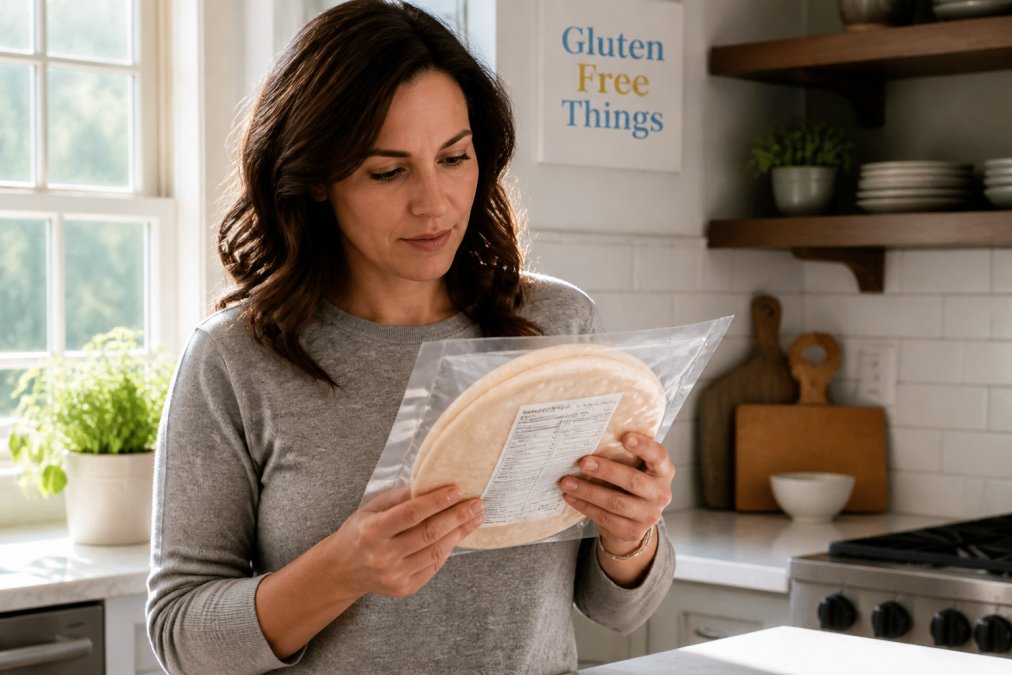
A "gluten-free" claim on a box is not the same as a certified gluten-free seal. The FDA sets the standard for gluten-free labeling, requiring products to contain less than 20 parts per million of gluten. Certification programs go further, adding third-party testing and facility audits that verify the claim independently.
Frozen, Par-Baked, and Shelf-Stable Formats
Frozen crusts are the most common option and usually give you the closest thing to fresh-baked texture. Par-baked crusts are partially cooked before packaging, so they finish fast in a hot oven and hold their shape well under heavy toppings. Shelf-stable crusts trade some texture for convenience, and they work best when you plan to load them with sauce and cheese that add moisture back.
Best Gluten Free Pizza Crust Brands: What Sets Them Apart
The best gluten free pizza crust brands share one trait: they control their production environment. A dedicated facility prevents the cross-contamination that shared lines can introduce, and that single factor separates a safe crust from a risky one.
Dedicated Facilities and Cross-Contamination Protocols
A dedicated gluten-free facility never handles wheat flour, which removes the biggest contamination risk. When a bakery also avoids the other top allergens, the entire production line stays clean for people managing multiple restrictions. Gluten Free Things is a dedicated gluten free-vegan facility.
Texture, Flavor, and Crust Style
Texture separates a crust you tolerate from one you actually enjoy. A tender crumb comes from a balanced blend of flours and starches, while a crispy exterior depends on how the dough hydrates and bakes. Some brands lean toward a thin, cracker-like base. Others aim for a thicker, pizzeria-style chew.
Allergen Free Pizza Crust Ingredients: Reading the Label
Allergen free pizza crust ingredients vary widely, and the flour blend tells you most of what you need to know. Rice flour and tapioca starch are common bases, while potato starch adds structure and a lighter bite. But the order of ingredients on the panel, and the starches a brand chooses, shape everything from browning to blood sugar response.
Flours, Starches, and Binders That Build a Tender Crumb
Gluten does two jobs in traditional dough: it holds everything together and gives the crust its chew. Without it, bakers lean on starches and binders to rebuild that structure. Each one behaves differently in the oven:
- Rice flour provides a neutral base and a light texture, but it dries out fast and can turn gritty if the blend leans on it too heavily.
- Tapioca starch adds chew and helps the crust brown, though too much makes the crumb gummy.
- Potato starch keeps the crumb tender and moist and browns quickly, a plus for pale crusts, a risk for burnt edges.
- Cornstarch is cheap and light but contributes little structure and spikes glycemic response faster than tapioca or potato.
- Xanthan or guar gum replaces some of gluten's elasticity; xanthan is more common, guar is often used in corn-free blends.
- Psyllium husk shows up in paleo and grain-free crusts and mimics gluten's stretch better than gums alone.
Starch Quality and Glycemic Impact
Not all starches behave the same way in the body. Tapioca and potato starches sit high on the glycemic index, while blends that lean on almond flour, chickpea flour, or psyllium tend to digest more slowly. If you are managing blood sugar alongside celiac disease, the starch a brand picks matters as much as the gluten-free claim.
Top 6 Allergens and Hidden Sources
The top six allergens, gluten, eggs, dairy, soy, nuts, and corn, hide in unexpected places. Egg wash gives a crust its shine. Milk powder adds flavor and browning. Cornstarch and cornmeal show up in blends and on baking surfaces. Soy lecithin appears as an emulsifier, and tree nut flours (almond especially) are common in grain-free crusts.
Cross-Contamination: What the Label Will Not Tell You
A gluten-free claim does not guarantee a dedicated facility. Shared lines, shared sifters, and shared air handling can all introduce trace gluten even when every listed ingredient is safe. Most practitioners find that the safest crusts come from brands willing to publish their testing frequency and facility setup. If a brand will not answer whether wheat is handled on the same line, treat that silence as a data point. At Gluten Free Things we guarantee a dedicated gluten free celiac safe facility.
How to Store Gluten Free Pizza Crusts for Maximum Freshness
Storing gluten free pizza crusts correctly is the difference between a crust that bakes up crisp and one that turns soggy. Frozen crusts should stay in the freezer until you are ready to bake, wrapped tightly to prevent freezer burn. Shelf-stable crusts belong in a cool, dry spot away from direct heat.
Freezer-to-Oven Troubleshooting: Getting a Crispy Crust Every Time
A crispy crust starts before the oven. Preheating a baking stone or a heavy sheet pan gives the dough immediate heat, which sets the base and prevents sogginess. Most crusts bake best at a high temperature, so check the package directions before you guess.
Common problems and their fixes:
Problem | Likely Cause | Fix |
|---|---|---|
Soggy center | Cold pan or wet toppings | Preheat pan, pat toppings dry |
Cracked edges | Thawed too fast | Bake from frozen when directed |
Pale crust | Oven too cool | Use a higher rack, preheat fully |
Stuck crust | No parchment | Line the pan or dust with cornmeal |
Pairing Guide: Matching Crust Style to Your Favorite Toppings
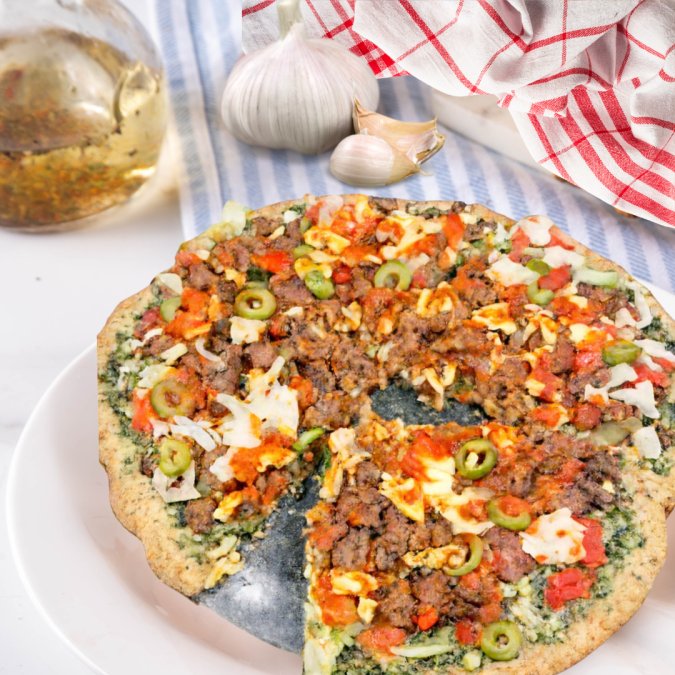
The right crust makes your toppings taste better. A thin, crispy base handles light toppings like fresh vegetables and a drizzle of olive oil. A thicker, chewier crust stands up to heavy layers of sauce, cheese, and protein without collapsing.
- Thin and crispy: margherita, veggie, white pizza
- Thick and chewy: meat lovers, supreme, deep-dish style
- Par-baked: quick weeknight pies with jarred sauce
- Shelf-stable: camping, travel, and pantry backup
Where to Buy Gluten Free Pizza Crusts: Online vs. Local Bakeries
Where you buy gluten free pizza crusts affects both freshness and safety. Local bakeries that specialize in gluten-free baking give you the freshest product and a chance to ask about their protocols in person. Online ordering adds convenience and access to brands that do not sell near you, but it introduces shipping variables that can wreck a crust before it reaches your kitchen.
Online Ordering: What to Check Before You Click Buy
Online ordering offers convenience and access to brands that may not be available locally. Before you order, consider the shipping method and transit time to ensure your products arrive in optimal condition. At Gluten Free Things, we ensure our products are carefully packaged for shipping, maintaining their quality from our bakery to your table. https://shop.glutenfreethings.com/
Local Bakeries and Grocery Aisles
Local buying has two advantages: you can inspect the product in person, and you can ask questions face to face. At a dedicated gluten-free bakery, ask whether the facility handles wheat at all, whether the top six allergens share equipment, and how often the kitchen runs gluten testing. A bakery that answers those questions without hesitation is usually a safe bet.
Freezer-Chain Integrity: The Overlooked Variable
Frozen crusts are only as good as the cold chain that delivered them. A crust that thaws and refreezes in transit develops ice crystals that rupture the crumb, which shows up later as a soggy center or a cracked edge in the oven. This is the single biggest quality difference between buying online and buying local, and it is invisible until you bake.
Matching the Buying Channel to Your Use Case
- Weekly pizza night: Our local bakery in Arvada, Colorado, offers fresh, dedicated gluten-free and allergen-friendly bread and treats, perfect for your weekly pizza night.
- Multiple allergies: For those managing multiple allergies, a dedicated facility like Gluten Free Things, whether local or shipped, provides peace of mind and delicious options.
The right channel depends on how often you bake, how much freezer space you have, and how many restrictions you are managing. When in doubt, buy small first, test the crust, and scale up once you know it survives the trip.
Frequently Asked Questions
What is the best store-bought gluten-free pizza crust?
The best crust depends on your dietary needs and preferred texture. Look for one that is certified gluten-free, made in a dedicated facility, and free from your specific allergens. Some people prefer a thin, crispy crust for pizzeria-style pies, while others want a thicker, doughier base. Always check the ingredient list for flours like rice, tapioca, or potato starch, and confirm the product is free from cross-contamination risks.
What ingredients should I avoid in gluten-free pizza crusts?
Avoid any crust that lists wheat, barley, rye, or malt on the label, as these contain gluten. If you have additional allergies, watch for eggs, dairy, soy, nuts, and corn. Also steer clear of products that are not certified gluten-free, since they may be processed on shared equipment. Reading the full ingredient list and allergen statement is the safest approach.
How should I store gluten-free pizza crusts to keep them fresh?
Once opened, transfer any unused crusts to an airtight container or freezer bag to maintain freshness.
Are there allergen-free pizza crust options for multiple sensitivities?
Yes. Some bakeries specialize in products free from the top allergens, including gluten, eggs, dairy, soy, nuts, and corn. These dedicated facilities prevent cross-contamination, making them safe for people with celiac disease or multiple food allergies. When buying, look for clear allergen statements and certifications that confirm the product meets your needs.
Buying gluten free pizza crusts gets easier once you know what to check: certification, facility practices, ingredient lists, and storage. Gluten Free Things bakes every crust in a dedicated gluten-free facility, free from gluten, eggs, dairy, soy, nuts, and corn, so you can top, bake, and serve without second-guessing the label. Shop the Gluten Free Things pizza crusts online or visit the bakery to find the crust that fits your table.