 how-to
Dedicated Gluten Free Bakery Benefits: 2026 Guide
Table of Contents
- Why a Dedicated Gluten Free Bakery Changes Everything
- What a Dedicated Facility Means in Practice
- How a Gluten-Free Bakery Cross-Contact Policy Protects You
- Who Benefits Most From a Gluten-Free Bakery for Food Allergies
- Gluten-Free Bakery Ingredients: What Goes In and Why It Matters
- Questions to Ask a Gluten-Free Bakery Before You Buy
- Taste, Texture, and Value: What You Get for the Difference in Cost
- Frequently Asked Questions
Last Updated: October 12, 2026
Why a Dedicated Gluten Free Bakery Changes Everything
For anyone living with celiac disease or a serious food allergy, the difference between a dedicated gluten free bakery and a standard bakery is not a matter of taste.
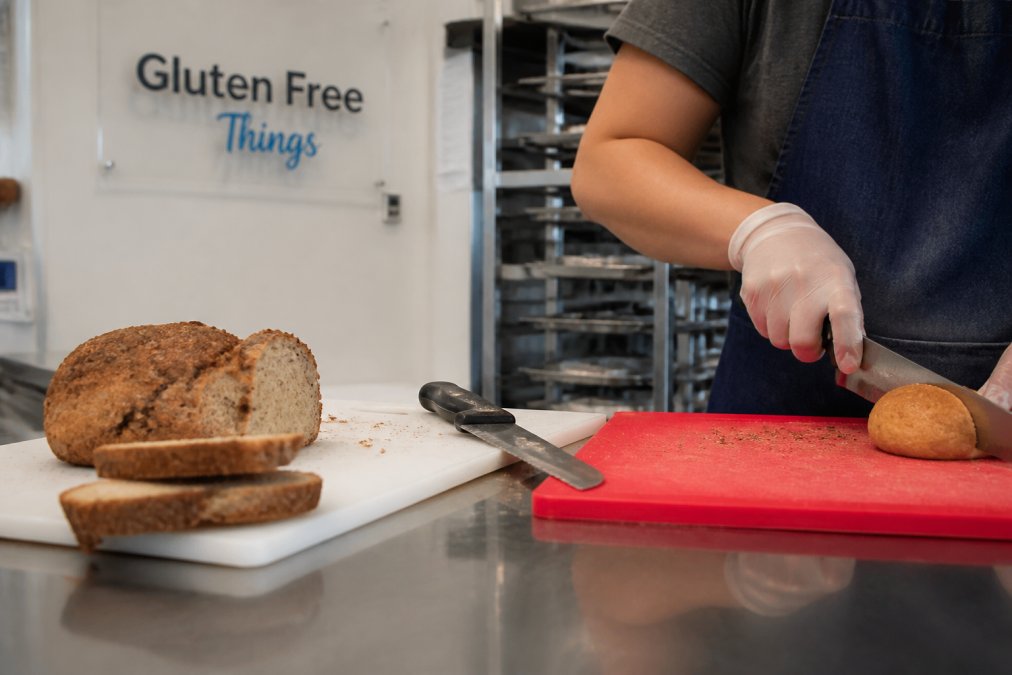
At Gluten Free Things, we built our Arvada bakery around that idea from day one.
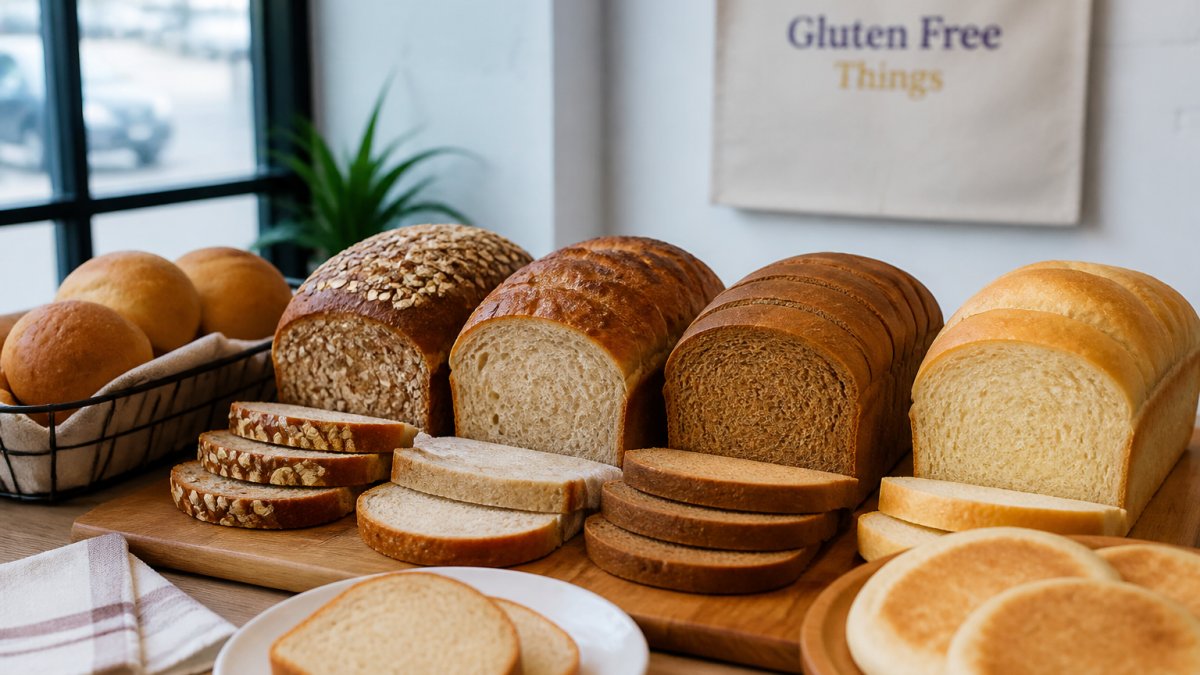
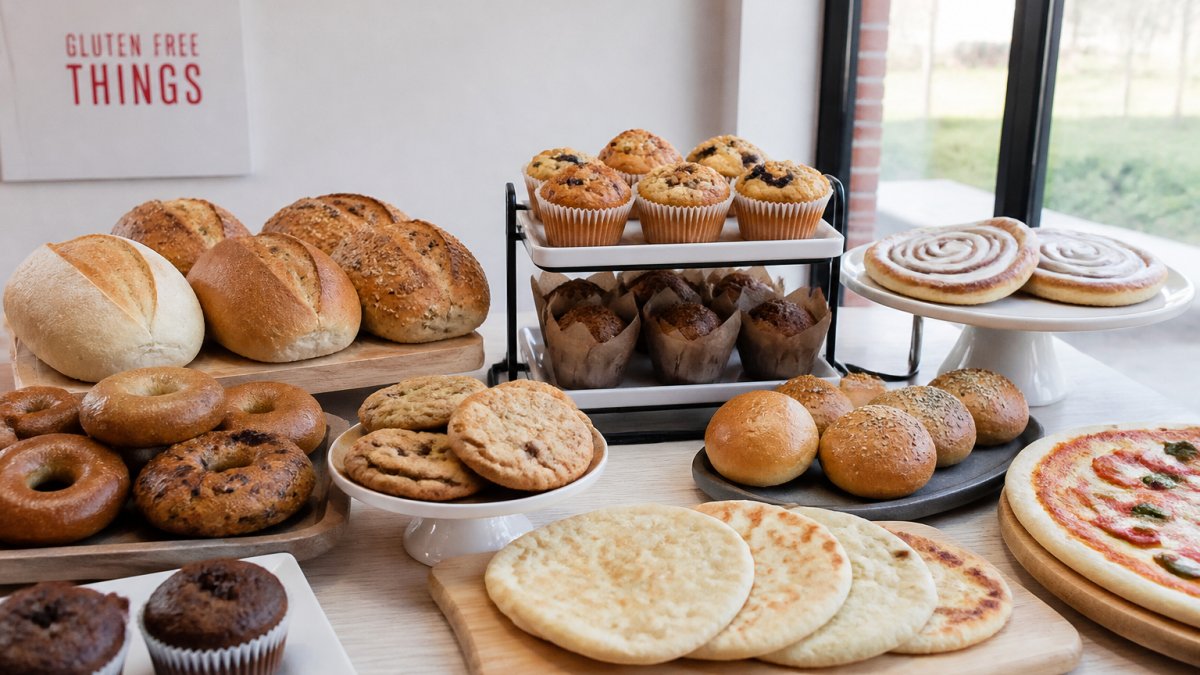
The benefits go beyond safety, though. Bread that holds up in a sandwich. Pastries with real structure. Baked goods you can bring to a social gathering without a disclaimer.
What a Dedicated Facility Means in Practice
A dedicated facility means every ingredient, tool, and surface in the building is gluten-free. There is no "gluten-free corner" of the kitchen.
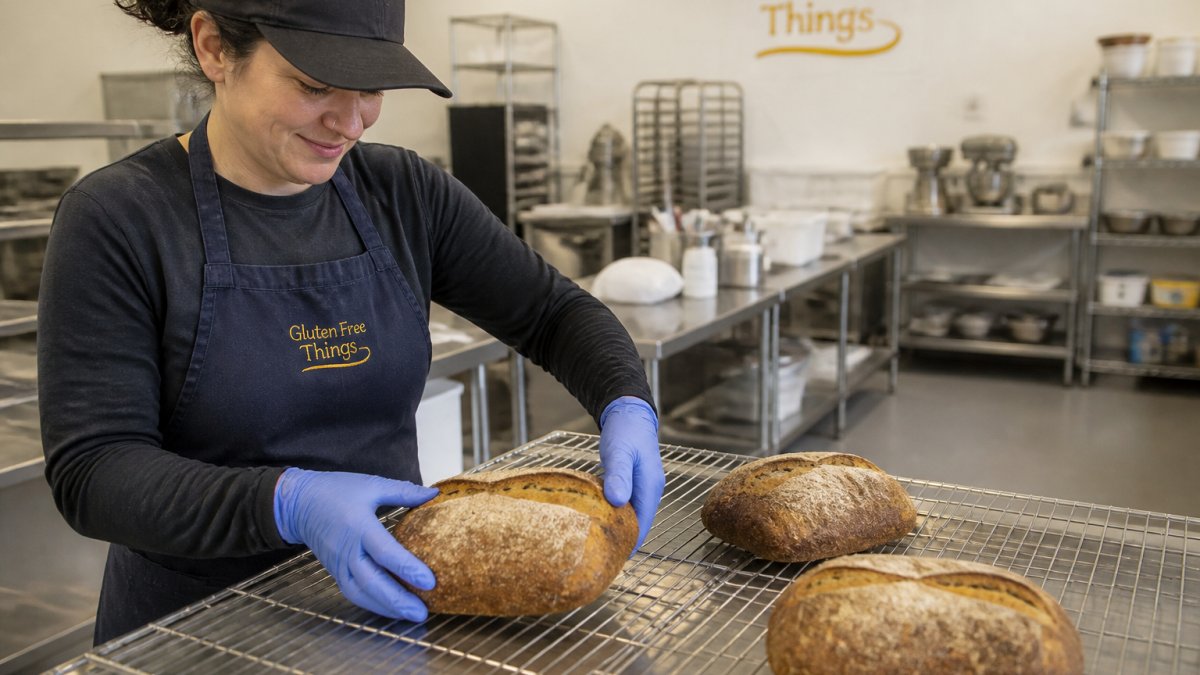
In practice, that changes how a bakery operates:
- Separate mixers, bowls, and utensils used only for gluten-free dough
- Flour storage that never holds wheat, barley, or rye
- Staff training on allergen awareness and handwashing between tasks
- Cleaning routines that treat every surface as a potential risk
The payoff is simple. When a facility never handles gluten, there is nothing to cross-contact in the first place.
How a Gluten-Free Bakery Cross-Contact Policy Protects You
Gluten-free bakery cross-contact is the risk that a tiny amount of gluten ends up in a product that should not contain it. For someone with celiac disease, even trace amounts can trigger a reaction. That is why a written cross-contact policy matters as much as the recipe, and why you should know how to read one.
A strong policy covers four things:
- Ingredient sourcing. Every flour and starch is verified gluten-free before it enters the kitchen. Ask whether the bakery requests certificates of analysis from suppliers or relies on package labels alone.
- Separation. Gluten-free production happens in its own space, on its own equipment. In a dedicated facility, this is structural, there is no shared mixer, proofing rack, or oven to worry about.
- Cleaning. Surfaces, tools, and hands are cleaned on a set schedule, not just at the end of the day. A written schedule with sign-offs is a stronger signal than a verbal promise.
- Labeling. Finished products are labeled clearly so you know exactly what you are getting, including full allergen statements rather than a single "gluten-free" stamp.
How to Evaluate a Bakery's Safety Practices
Most bakeries will say they are careful. The useful question is how they prove it. A practical checklist:
- Does the facility handle any gluten-containing ingredients at all, or is it fully dedicated?
- Can staff describe the specific equipment used for gluten-free production?
- How are incoming ingredients verified, supplier documentation, third-party testing, or label review?
- What training do staff receive on allergen awareness, and how often is it refreshed?
- Is there a written cleaning protocol, and who audits it?
A confident, transparent baker will welcome these questions. A vague answer, or a pivot to "we're very careful", is your cue to walk away.
What a Dedicated Facility Removes From the Equation
In a dedicated facility, several of these questions answer themselves. There is no shared mixer to clean between batches, no wheat flour in the air settling on a cooling rack, and no risk that a new employee grabs the wrong bag from a shared storage bin.
That does not mean a dedicated bakery skips documentation. It means the documentation is simpler and the failure points are fewer. When you ask about cross-contact, the answer should be short and specific: there is no gluten on site. Everything else is confirmation.
Who Benefits Most From a Gluten-Free Bakery for Food Allergies
A gluten-free bakery for food allergies serves people who cannot afford a mistake.
But the group that benefits most may surprise you: families managing more than one restriction.
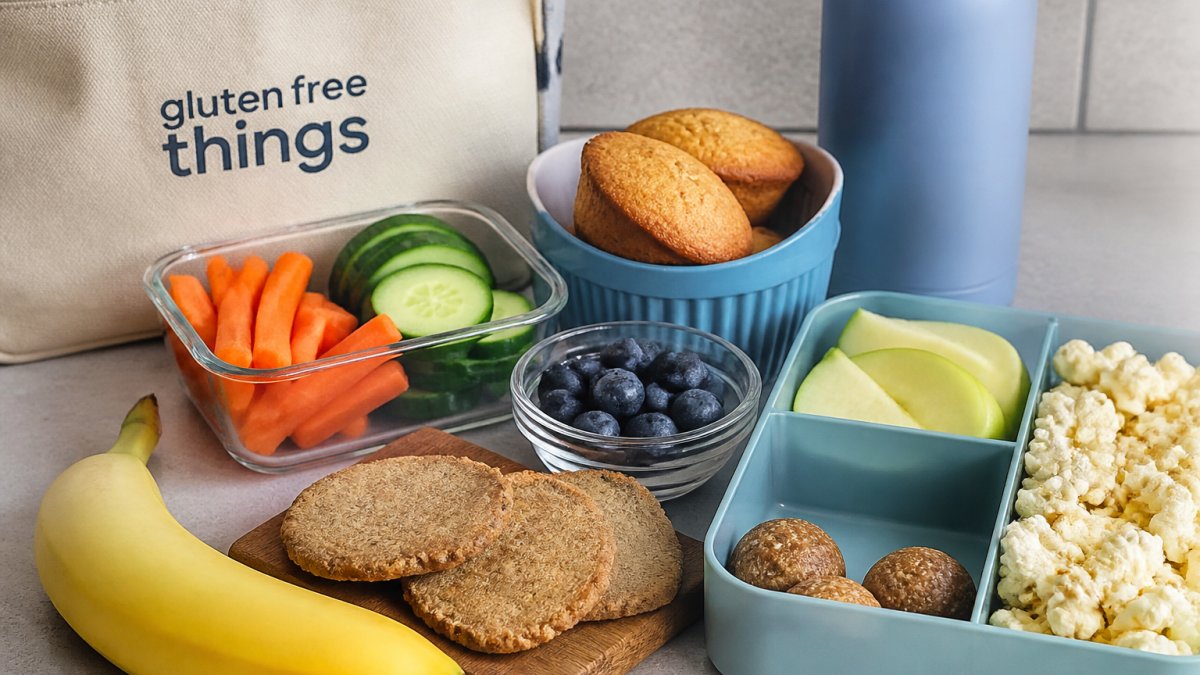
That is exactly the gap a dedicated bakery fills. When a facility is free from the top allergens, one loaf of bread can work for the whole table.
If you are unsure whether your symptoms point to celiac disease or a sensitivity, talk to your doctor before changing your diet.
Gluten-Free Bakery Ingredients: What Goes In and Why It Matters
Gluten-free bakery ingredients do the job that wheat normally does. Wheat gives bread its stretch, its rise, and its chew. Take it out, and you need a team of replacements.
Here is what carries the load:
Shop Gluten Free Vegan Products →
- Gluten-free flours. Rice, sorghum, millet, and oat flours form the base of most blends.
- Functional starches. Tapioca and potato starch add lightness and help bind.
- Hydrocolloids. Ingredients like xanthan gum or psyllium add viscosity and gelling power, which mimics gluten's structure.
- Protein and fat. These support foam stability and moisture retention so baked goods do not dry out.
Get the ratios right, and you get bread that tastes like bread. Get them wrong, and you get the crumbly, cardboard-like loaf that gives gluten-free baking a bad name. This is where a dedicated bakery earns its keep: the recipe is tested and refined, not improvised.
Questions to Ask a Gluten-Free Bakery Before You Buy
The fastest way to judge a bakery is to ask direct questions. A confident, transparent baker will welcome them. A vague answer is your cue to walk away.
Use this checklist before you buy:
- Is your facility completely gluten-free, or do you also make regular items?
- Which allergens do you exclude? Gluten only, or also eggs, dairy, soy, nuts, and corn?
- How do you prevent cross-contact between products?
- How are your ingredients sourced and verified?
- Do you ship, and how do you keep products fresh in transit?
- Can you share your ingredient lists and allergen information?
If you order online, ask how items are packed and how long they stay fresh. Freshness matters as much as safety when bread travels to your door.
Taste, Texture, and Value: What You Get for the Difference in Cost
A dedicated bakery often costs more than the grocery store shelf. That gap is real, and it is worth understanding what you are paying for, and where the trade-offs land.
What Drives the Cost Difference
Gluten-free baking is more expensive to produce, and the reasons are structural rather than arbitrary:
- Ingredient costs. Gluten-free flours such as sorghum, millet, and certified gluten-free oat flour typically cost more per pound than commodity wheat flour. Functional starches and hydrocolloids like xanthan gum or psyllium add further cost.
- Smaller production runs. A dedicated facility produces only gluten-free items, which often means smaller batches and less economy of scale than a conventional commercial bakery.
- Verification and testing. Supplier documentation, third-party gluten testing, and allergen-control programs add overhead that a standard bakery does not carry.
- Reduced shelf life. Without preservatives common in mass-market baked goods, fresh gluten-free products may have a shorter window, which affects packaging, shipping, and waste.
The Nutrition Trade-Off Nobody Mentions
Gluten-free does not automatically mean healthier. That assumption trips up a lot of shoppers. A gluten-free muffin can have more sugar, more sodium, and less fiber than its wheat-based counterpart, because formulators add starches and gums to compensate for texture and moisture.
When comparing products, look at the label rather than the "gluten-free" claim:
- Fiber. Wheat contributes fiber. Many gluten-free blends rely on refined flours and starches that contribute little. Look for whole-grain gluten-free flours such as brown rice, sorghum, or teff.
- Protein. Wheat provides protein. Gluten-free products often need added protein from eggs, dairy, or legume flours to match structure, which matters if you also avoid those allergens.
- Sugar and sodium. These often climb in gluten-free formulations to mask off-flavors or improve browning and shelf life.
- Fortification. Conventional wheat flour is typically enriched with iron and B vitamins. Many gluten-free flours are not, so check whether the product is fortified.
If you have celiac disease or another diagnosed condition, these trade-offs are secondary to safety. If you are choosing gluten-free by preference, they are worth weighing honestly.
How to Think About Value
Value depends on how you use the product:
- Everyday staples, bread, bagels, buns. Here, texture that holds up to a sandwich and consistent safety matter most. Buying from a dedicated bakery removes the cross-contact question entirely.
- Celebrations, cakes, pastries, holiday items. The premium is easier to justify when the product needs to serve a mixed table without a separate "safe" plate.
- Multi-allergen households. When one product works for celiac disease, a dairy allergy, and a nut allergy at once, you are replacing several specialty purchases with one, which often narrows the effective cost gap.
Freshness and Ordering
Freshness affects value as much as price. Ask how items are baked, how quickly they ship, and whether they freeze well. Many gluten-free baked goods freeze better than their wheat counterparts because they are already formulated for moisture retention.
What You Are Comparing | Standard Grocery Option | Dedicated Gluten Free Bakery |
|---|---|---|
Cross-contact risk | Shared facility possible | No gluten on site |
Allergen coverage | Often gluten only | Gluten, eggs, dairy, soy, nuts, corn |
Texture and moisture | Varies widely | Recipe-tested for structure |
Label clarity | Basic | Full ingredient and allergen info |
Nutrition profile | Varies; often refined flours | Varies; check fiber, protein, sugar, sodium |
Best for | Mild preference | Celiac disease, severe allergies |
For a household managing celiac disease or several allergies, the premium is not a luxury. It is the difference between a safe meal and a risky one, and the label reading and freshness questions above are how you confirm you are getting what you pay for.
Frequently Asked Questions
What are the benefits of buying from a dedicated gluten-free bakery?
A dedicated gluten-free bakery eliminates the risk of cross-contact because no gluten-containing ingredients ever enter the facility. This means breads, pastries, and cakes are safe for people with celiac disease or severe gluten sensitivity. You also get better taste and texture, since bakers who focus only on gluten-free baking develop specialized recipes and techniques. Many dedicated bakeries, like Gluten Free Things, also remove other common allergens such as eggs, dairy, soy, nuts, and corn, making products safe for multiple dietary needs at once.
How is a dedicated gluten-free bakery different from a bakery with gluten-free options?
A bakery with gluten-free options makes gluten-free products in the same kitchen as regular baked goods. Shared mixers, counters, and ovens create cross-contact risk even when staff follow cleaning protocols. A dedicated gluten-free bakery uses only gluten-free ingredients in every product, every day. There is no shared equipment and no chance of flour dust drifting from a wheat-based batch. For anyone with celiac disease or a serious allergy, that distinction is the difference between a safe product and a gamble.
What should I ask a bakery about its gluten-free practices?
Ask whether the facility is entirely gluten-free or if gluten is used on-site. If gluten is present, ask how they separate prep areas, equipment, and storage. Request details on cleaning procedures between batches. Ask about other allergens you need to avoid, such as dairy, eggs, or nuts. Finally, ask whether staff receive training on allergen awareness and cross-contact prevention. A trustworthy bakery will answer these questions directly and without hesitation.
Can people with food allergies safely eat from a gluten-free bakery?
Yes, if the bakery is dedicated gluten-free and also free from the allergens you need to avoid. Gluten Free Things, for example, makes products free from gluten, eggs, dairy, soy, nuts, and corn. That means a child with celiac disease and a dairy allergy can eat the same bread. Always confirm the full allergen list with the bakery before ordering, and check labels on shipped items. If your allergy is severe, ask about the facility's cleaning and sourcing practices to confirm they meet your safety standards.
Finding a bakery you can trust takes more than a label. It takes a facility built around safety, ingredients chosen with care, and a team that answers your questions without hesitation. At Gluten Free Things, we bake in a dedicated gluten-free kitchen and keep our products free from gluten, eggs, dairy, soy, nuts, and corn. You can stop by our Arvada bakery or order online for shipping. Get started with Gluten Free Things and bring safe, flavorful baked goods back to your table.