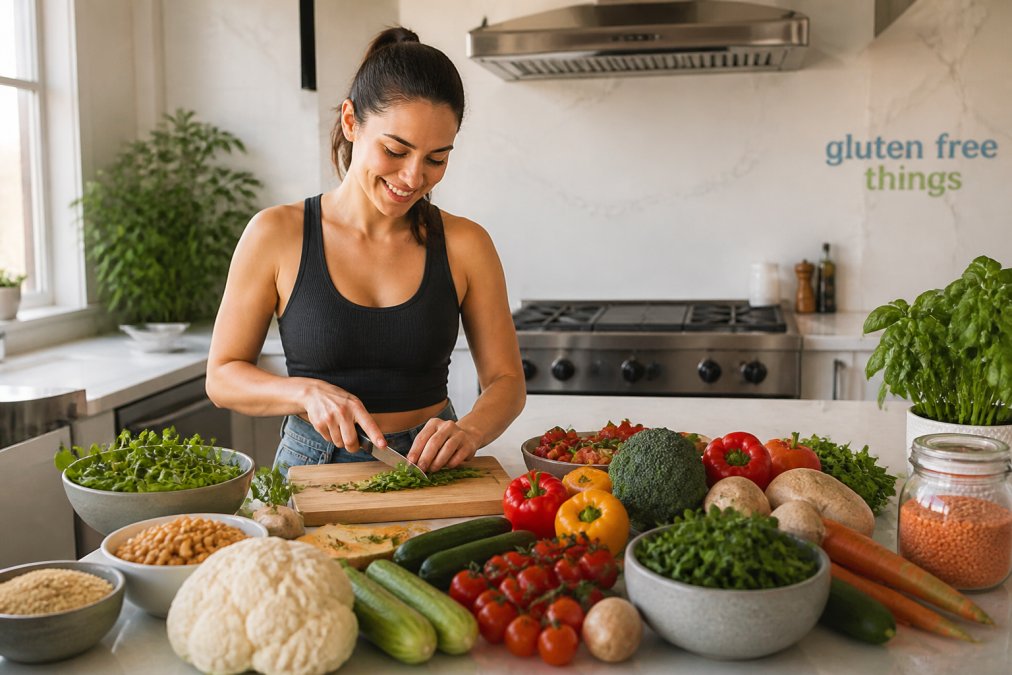
 ultimate-guide
Vegan and Gluten Free Diet: A Beginner's Guide
Table of Contents
- What Is a Vegan and Gluten Free Diet?
- Core Foods to Eat on a Vegan Gluten Free Diet
- Hidden Gluten in Vegan Foods to Avoid
- Vegan Gluten Free Pantry Essentials
- Building a Vegan Gluten Free Meal Plan
- Nutritional Considerations and Micronutrient Tracking
- Dining Out and Travel Logistics
- Conclusion
- Frequently Asked Questions
Last Updated: September 18, 2026
What Is a Vegan and Gluten Free Diet?
A vegan and gluten free diet excludes all animal-derived ingredients and all gluten-containing grains, relying on plant-based, wheat-free foods. This guide from Gluten Free Things covers how to build that diet without missing key nutrients.
Defining Vegan vs. Gluten-Free
Vegan means no meat, poultry, seafood, eggs, dairy, honey, or other animal-derived ingredients. Gluten-free means no wheat, barley, rye, or their derivatives, including malt and most conventional oats.
Who Might Need This Diet
People with celiac disease, a wheat allergy, or non-celiac gluten sensitivity may need to avoid gluten permanently. Those following a vegan lifestyle for ethical, environmental, or health reasons add the plant-based requirement on top.
Core Foods to Eat on a Vegan Gluten Free Diet
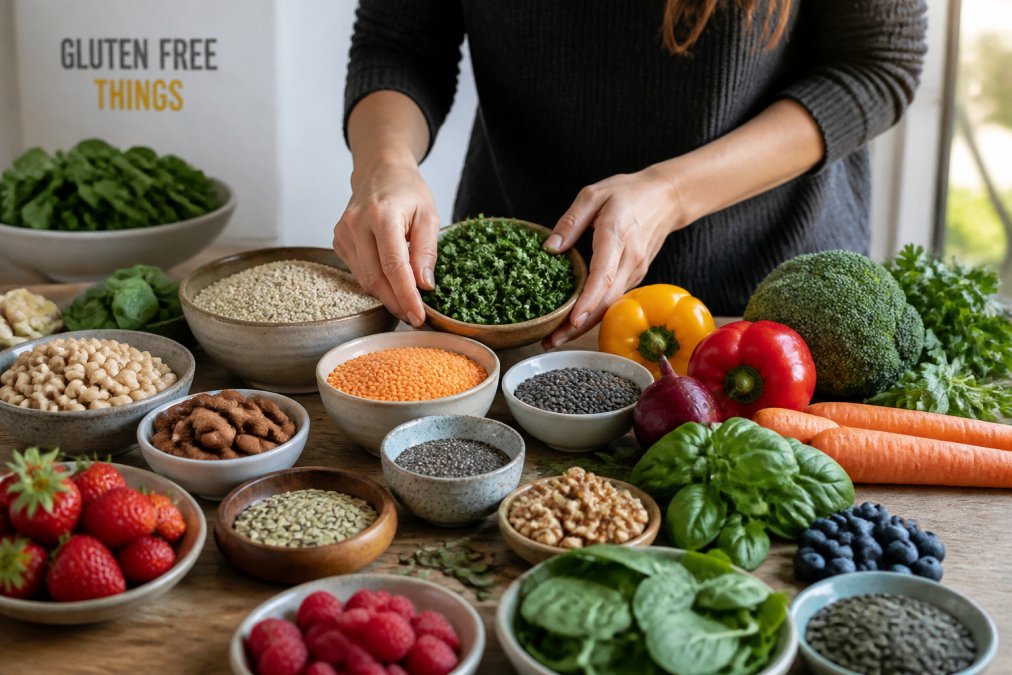
The core of a vegan gluten free diet is naturally gluten-free plant foods: legumes, gluten-free whole grains, vegetables, fruits, nuts, and seeds. These form the base of nearly every meal and cover most nutrient needs without fortified products.
Plant Proteins and Whole Grains
Legumes do the heavy lifting: lentils, chickpeas, black beans, and split peas are inexpensive, shelf-stable, and rich in protein and fiber. Tofu and tempeh are also staples, though anyone avoiding soy should lean harder on legumes and seeds.
Gluten-free grains worth keeping on hand:
- Quinoa, a complete protein with all nine essential amino acids
- Buckwheat, despite the name, contains no wheat
- Brown rice, millet, and amaranth
- Certified gluten-free oats, which must be labeled as such
Fruits, Vegetables, and Healthy Fats
Aim for variety across colors and textures. Leafy greens, cruciferous vegetables, and brightly colored produce deliver the widest range of vitamins and minerals.
Hidden Gluten in Vegan Foods to Avoid
Hidden gluten in vegan foods is one of the most common traps for beginners. Sauces, seasonings, and processed meat alternatives frequently contain wheat-based ingredients unrelated to the product's vegan status.
Watch for these:
- Soy sauce and tamari (unless specifically labeled gluten-free)
- Seitan, which is pure wheat gluten
- Some veggie burgers and plant-based sausages bound with breadcrumbs
- Flavored tofu and tempeh marinated in soy sauce
- Certain thickeners and modified food starches
Label Reading and Cross-Contamination
Reading labels is non-negotiable. In the United States, the FDA's gluten-free labeling rule sets the standard for what "gluten-free" legally means on packaged food, but that label does not guarantee a product is free from cross-contamination during manufacturing.
Vegan Gluten Free Pantry Essentials
A well-stocked pantry removes most of the daily friction from this diet, so a meal never depends on a last-minute trip to a specialty store.
Category | Staples to Keep | Why It Matters |
|---|---|---|
Grains | Quinoa, brown rice, certified GF oats, buckwheat | Base for bowls, breakfasts, baking |
Legumes | Lentils, chickpeas, black beans, split peas | Primary protein and fiber source |
Flours | Almond, chickpea, brown rice, tapioca starch | Blends replace wheat flour in baking |
Fats | Olive oil, coconut oil, tahini, nut butters | Healthy fats and flavor |
Flavor | Tamari, nutritional yeast, GF spices, vinegars | Prevents bland, repetitive meals |
Building a Vegan Gluten Free Meal Plan
A workable vegan gluten free meal plan follows a simple pattern: pick a protein, pick a gluten-free grain or starch, and build the rest of the plate around vegetables and a healthy fat. That structure keeps meals balanced without counting every nutrient.
A Sample 7-Day Framework
Rather than a rigid menu, use a repeating weekly framework so you can swap ingredients based on what is on sale:
- Day 1: Certified GF oats with chia and berries; quinoa bowl with chickpeas and tahini; lentil curry over brown rice
- Day 2: Smoothie with almond milk, flax, and frozen fruit; leftover lentil curry; black bean and roasted vegetable tacos on corn tortillas
- Day 3: Buckwheat porridge with nut butter; chickpea salad with olive oil and lemon; tempeh stir-fry over millet
- Day 4: Overnight oats; leftover stir-fry; split pea soup with a side of sautéed greens
- Day 5: Smoothie bowl with hemp hearts; quinoa tabbouleh with parsley and tomato; baked tofu with roasted sweet potato
- Day 6: GF toast with avocado and nutritional yeast; leftover soup; black bean burgers (check the binder) with a cabbage slaw
- Day 7: Oats with walnuts; grain bowl built from leftovers; amaranth pilaf with roasted vegetables
Batch Cooking That Actually Saves Time
Batch prepping on the weekend cuts weekday cooking time dramatically. A pattern that works well:
- Cook one large pot of grains (quinoa or brown rice) and one pot of legumes (lentils or chickpeas).
- Roast two trays of vegetables at once, one starchy (sweet potato, squash), one cruciferous (broccoli, cauliflower).
- Prepare one protein block, baked tofu, tempeh crumble, or a bean patty mix.
- Whisk two sauces, a tahini-lemon dressing and a tamari-ginger sauce, and store in jars.
Budget-Friendly Meal Prep
Most guides skip the cost problem. Specialty gluten-free and vegan products, frozen baked goods, plant-based cheeses, packaged snacks, carry a premium that adds up fast. A few habits keep the weekly total down without sacrificing nutrition:
- Build meals around dried legumes and whole grains. They are the cheapest protein and calorie sources in the store and are naturally gluten-free.
- Buy certified GF oats and rice in bulk when the store offers a bulk bin, and store them in airtight containers.
- Skip specialty substitutes when a whole food works. A bean patty costs a fraction of a packaged vegan burger and avoids the breadcrumb risk.
- Cook once, eat twice. Doubling a curry or soup costs almost nothing extra and removes a takeout night.
- Frozen produce is not a downgrade. Frozen spinach, berries, and broccoli retain nutrients and cost less than out-of-season fresh.
Nutritional Considerations and Micronutrient Tracking
Micronutrient deficiency is the biggest long-term risk on a vegan and gluten free diet. Removing animal products and gluten-containing grains at once narrows the food supply, so a few nutrients need deliberate attention, and this section focuses on how to actually track them, not just name them.
The Six Nutrients That Matter Most
- Vitamin B12, found almost exclusively in animal products. Fortified foods and supplements are the practical sources. Most practitioners recommend a daily or weekly supplement rather than relying on fortified foods alone, because intake from fortification is inconsistent.
- Iron, plant iron (non-heme) is absorbed less efficiently than animal iron. Pair iron-rich foods with vitamin C at the same meal to improve absorption, and avoid tea or coffee within an hour of an iron-heavy meal.
- Calcium, fortified plant milks, leafy greens (kale, collards, bok choy), tahini, and calcium-set tofu. Oxalates in spinach and chard reduce absorption, so rotate greens rather than leaning on one.
- Vitamin D, fortified foods and sunlight. Levels vary by latitude and season, so a blood test is more useful than guessing.
- Omega-3 fatty acids, flaxseed, chia, walnuts, and algae-based supplements. Plant ALA converts poorly to EPA and DHA, which is why algae oil is the more direct source.
- Zinc, legumes, seeds, and whole grains. Soaking, sprouting, and fermenting legumes reduces phytates and improves absorption.
How to Actually Track Them
A simple tracking routine beats a complicated one you abandon:
- Start with a blood panel. Ask a clinician to check B12, ferritin, vitamin D, and a basic metabolic panel before you change anything. This gives a baseline rather than a guess.
- Log food for one week, not forever. Use a food-tracking app for a single representative week to see where you actually land on iron, calcium, and zinc. Most people are surprised by which meals carry the load.
- Recheck at 6 and 12 months. B12 and ferritin move slowly, so a short-term test tells you little. A yearly cadence catches trends before symptoms appear.
- Treat supplements as part of the plan, not a failure. B12, vitamin D, and algae-based omega-3 are standard for most people on this diet, and a clinician can confirm dosing.
Bioavailability Mechanics Worth Knowing
Intake is not the same as absorption. Three interactions matter most:
- Vitamin C with iron, a squeeze of lemon or a side of bell pepper can meaningfully increase non-heme iron uptake.
- Phytates in grains and legumes, soaking overnight, sprouting, and fermenting (as in sourdough-style GF breads) reduce phytate content and free up minerals.
- Calcium and iron compete, take calcium supplements at a different meal than an iron-rich one to avoid blocking absorption.
Dining Out and Travel Logistics
Dining out and travel are where even experienced people slip up. The vegan and gluten-free combination is unusual enough that most restaurants have not thought about it, so planning ahead is the difference between a good meal and a hungry evening.
A few practical habits help:
- Call ahead and ask specifically about gluten cross-contamination, not just ingredients
- Look for restaurants with dedicated gluten-free menus or separate prep areas
- Carry shelf-stable snacks for travel days when options are uncertain
- Use translation cards if traveling where the language differs
Conclusion
The hardest part of a vegan and gluten free diet is not the food itself, it is the constant label checking and worry about cross-contamination. That is exactly the problem Gluten Free Things was built to solve. Our dedicated gluten-free bakery crafts vegan breads, bagels, pizza crusts, and buns free from gluten, eggs, dairy, soy, nuts, and corn, with walk-in pickup and online shipping available.
Frequently Asked Questions
Is it possible to be vegan and gluten-free?
Yes, it is possible to follow both diets simultaneously. A vegan and gluten free diet excludes all animal products and gluten-containing grains like wheat, barley, and rye. Focus on naturally gluten-free plant foods such as legumes, quinoa, buckwheat, fruits, vegetables, nuts, and seeds. Careful planning helps meet nutritional needs, and many people thrive on this combination. https://shop.glutenfreethings.com/
What are the best protein sources for a vegan and gluten-free diet?
Good protein sources include lentils, chickpeas, black beans, tofu, tempeh, quinoa, buckwheat, hemp seeds, chia seeds, and nuts. These provide essential amino acids when eaten in variety. Combining legumes with gluten-free grains, such as rice and beans, ensures a complete protein profile. Aim for a serving of protein at each meal to support energy and muscle maintenance.
What are common hidden sources of gluten in vegan processed foods?
Hidden gluten often appears in vegan burgers, sausages, sauces, soups, and baked goods. Ingredients like wheat protein, barley malt, rye flour, and contaminated oats are common culprits. Always read labels for terms like 'wheat,' 'barley,' 'rye,' 'malt,' and 'brewer's yeast.' Look for certified gluten-free labeling to avoid cross-contamination.
How do you ensure nutritional adequacy when avoiding both gluten and animal products?
Focus on nutrient-dense whole foods and fortified alternatives. Key nutrients to monitor include vitamin B12, iron, calcium, omega-3 fatty acids, and vitamin D. Use fortified plant milks, nutritional yeast, and consider supplements as needed. Regular blood tests can help track levels. A varied diet with legumes, seeds, and leafy greens supports overall health.
Can a vegan and gluten-free diet support weight loss goals?
Yes, this diet can support weight loss because it emphasizes fiber-rich vegetables, legumes, and whole grains while limiting processed foods. High fiber intake promotes fullness and digestive health. However, weight loss depends on overall calorie balance and portion sizes. Focus on nutrient-dense foods rather than refined gluten-free products, which can be calorie-dense.
What should I stock in my vegan gluten-free pantry?
Stock essentials like gluten-free oats, quinoa, brown rice, buckwheat, canned legumes, nut butters, tahini, olive oil, coconut aminos, gluten-free tamari, nutritional yeast, and a variety of spices. Keep frozen fruits and vegetables for convenience. These staples make meal prepping easier and reduce reliance on processed foods.
How can I dine out safely on a vegan and gluten-free diet?
Research restaurants ahead and call to ask about gluten-free and vegan options. Request that your meal be prepared separately to avoid cross-contamination. Stick to simple dishes like salads with oil and vinegar, grilled vegetables, and legumes. Avoid fried foods and sauces that may contain gluten. Carry gluten-free snacks when traveling.